


What is Local Anesthesia?
Local anesthesia is the most common method used to prevent pain in a specific, targeted area of the mouth. Unlike sedation or general anesthesia, local anesthesia does not make you sleepy or unconscious. Instead, it temporarily blocks the nerves in the surgical site from sending pain signals to your brain.
At Love Your Jaws, we use highly effective, modern anesthetic agents to ensure that even “awake” procedures are completely comfortable. For many patients, the only thing they feel during the entire appointment is a slight “pressure” rather than any sharp sensation.
When is Local Anesthesia Used?
While local anesthesia is used in almost every oral surgery procedure (often in combination with sedation), it is the primary choice for:
- Simple Tooth Extractions: Removing a visible tooth that is not impacted.
- Minor Soft Tissue Procedures: Such as a biopsy or small gum treatments.
- Emergency Dental Care: Providing immediate pain relief for dental trauma.
- Restorative Prep: Preparing a site for a crown or a small filling.
Types of Local Anesthetics We Use
Not all “numbing” is the same. At Love Your Jaws, we select the specific anesthetic based on the length of your procedure and your medical history.
| Anesthetic Type | Onset (How Fast) | Duration (How Long) | Best Used For |
| Lidocaine | 2–3 Minutes | 1–2 Hours | Most routine procedures – the “gold standard.” |
| Articaine | 1–2 Minutes | 1.5–2 Hours | Superior bone penetration – ideal for upper jaw work. |
| Mepivacaine | 2–4 Minutes | 20–40 Minutes | Patients sensitive to epinephrine (adrenaline). |
| Bupivacaine | 5–10 Minutes | Up to 8 Hours | Lengthy surgeries or long-lasting post-op pain relief. |
The “Painless” Injection: Our Approach
We understand that the “needle” is often the part patients fear most. To make your experience as easy as possible, we follow a gentle protocol:
- Topical Numbing: Before any injection, we apply a high-strength numbing gel to the surface of the tissue so you barely feel the initial contact.
- Precise Delivery: We use specialized techniques to deliver the anesthetic slowly and at room temperature, which significantly reduces the “stinging” sensation common in many dental offices.
- Advanced Agents: By using high-potency agents we can often achieve deeper numbness with fewer injections.
What to Expect After Your Procedure
The most significant advantage of local anesthesia is the quick recovery time.
- Zero Downtime: You are fully alert and can drive yourself home or go straight back to work.
- Lingering Numbness: You will remain numb for 1 to 4 hours depending on the agent used. We recommend avoiding hot liquids or chewing until the sensation returns to prevent accidental biting of your lip or cheek.
- Safe for Most: It has the fewest side effects and is safe for patients with various medical conditions that might complicate deeper sedation.
Why Choose Dr. Dimitrov
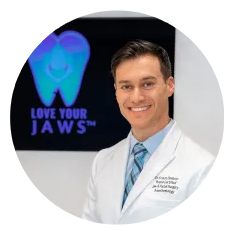
Elite Training: Earned his DMD from the University of Connecticut and completed residency at the University of Miami/Jackson Memorial Hospital, where he served as Chief Resident.
Proven Leadership: Awarded the prestigious Professor’s Cup for excellence in surgery, patient care, and academic achievement.
Meet Dr.Kroum Dimitrov

