




5 out of 5 stars based on 700+ reviews
What Is Gum Cancer?
Gum cancer is a malignant condition that develops in the gingival tissues around the teeth or along the alveolar ridge, the part of the jawbone that supports the teeth. It may affect the upper gums, lower gums, inner gum tissue, or nearby jawbone structures.
The most common type is gingival squamous cell carcinoma. Oral cancer primarily affects squamous cells in the mouth, and most oral cancers are squamous cell carcinomas, accounting for more than 90% of cases. In some cases, the disease may be described as carcinoma of the alveolar ridge when the tumor involves the bony ridge that supports the teeth; gum cancer accounts for less than 10% of oral cavity cancer cases.
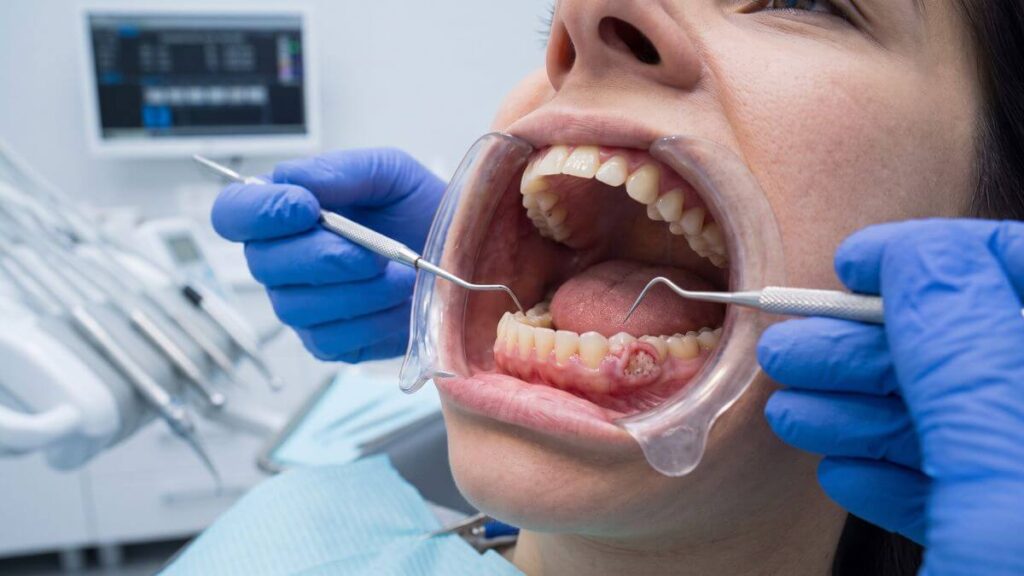
Gum cancer may appear as a sore, ulcer, raised mass, thickened area, white or red patch, or region that bleeds easily. Because it can resemble periodontal disease, tooth infection, or gum irritation, professional evaluation is essential when symptoms do not improve.
At Love Your Jaws, we evaluate abnormal gum findings carefully and recommend biopsy or imaging when needed. Patients searching for a gingival carcinoma specialist in Miami often choose our practice because they want advanced oral surgery expertise and timely diagnostic care.
Symptoms: Cancer vs. Gum Disease
One of the biggest challenges with gum cancer is that it is often mistaken for periodontal disease (gingivitis) or a simple irritation from a toothbrush or food.
| Feature | Periodontal Disease | Potential Gum Cancer |
| Bleeding | Occurs during brushing/flossing. | Spontaneous bleeding without provocation. |
| Healing | Improves with better hygiene/cleaning. | Does not heal or improve over 2 weeks. |
| Texture | Soft, swollen, or puffy gums. | Firm, hard, or “cauliflower-like” growth. |
| Color | General redness. | Distinct white (leukoplakia) or bright red patches. |
| Tooth Stability | Generalized mobility from bone loss. | A single tooth suddenly becoming very loose. |
What Are the Early Signs and Symptoms of Gum Cancer?
The early signs of gum cancer can be subtle. Some patients notice a sore area on the gums, while others experience bleeding, swelling, tissue thickening, or discomfort around one or more teeth. Because gum cancer can look like periodontal disease, it should be evaluated when symptoms persist despite routine dental care.
Warning signs may include red and white patches on gums, a firm gum mass, unexplained gum pain, tissue that looks ulcerated, or a Non-healing ulcer on gum cancer concern for more than two weeks.
Some patients notice unexplained bleeding from gum cancer, especially when brushing, eating, or touching the area. Others may develop Tooth mobility oral cancer symptoms when cancer affects the supporting bone around the teeth. Other symptoms can include ear pain.
A tumor on lower gums oncologist concern may appear as a lump, swelling, or ulcerated area along the lower jaw. A sore on gums after tooth extraction not healing should also be evaluated promptly, especially if the tissue continues to enlarge, bleed, or look irregular.
Because a gum lesion mimicking periodontal disease may delay diagnosis, any persistent or unusual gum abnormality should be examined by an experienced oral surgeon with concern for mouth cancer when symptoms do not resolve.
Oral Cancer of the Gums Treatment in Miami
Gum cancer is a serious form of oral cancer that can affect the gingival tissues, alveolar ridge, surrounding bone, teeth, and nearby oral structures. Because early symptoms may resemble common gum disease, delayed diagnosis is possible when a suspicious gum lesion is mistaken for infection, irritation, or periodontal inflammation. At Love Your Jaws, we provide advanced evaluation, biopsy, surgical planning, and coordinated care for patients with suspected or confirmed gum cancer in Miami.
Led by Dr. Kroum Dimitrov, one of the leading oral surgeons in Miami, our team focuses on early detection, precise diagnosis, and personalized treatment planning for complex oral cancer conditions. We understand that finding a persistent sore, mass, bleeding area, or abnormal gum tissue can be frightening. Our goal is to provide clear answers, expert surgical evaluation, and a treatment path designed to protect both health and oral function.
Patients searching for a gum cancer surgeon in Miami need more than a routine dental exam. They need an experienced oral and maxillofacial surgery team that understands oral pathology, gum tissue abnormalities, jawbone involvement, biopsy procedures, cancer staging, and reconstruction after tumor removal.
How Is Gum Cancer Diagnosed?
Diagnosis begins with a detailed physical exam of the gums, teeth, lymph nodes, and surrounding soft tissues within the oral cavity. We evaluate the lesion’s size, texture, color, borders, depth, bleeding pattern, and whether it appears attached to deeper tissue or bone.
When gum cancer is suspected, a gum cancer biopsy procedure may be recommended. A small sample of tissue is removed and sent to a pathology laboratory for microscopic analysis. Patients searching for a gum biopsy doctor in Miami FL often need this step to determine whether the lesion is benign, precancerous, or malignant.
The gingival mass biopsy pathology report provides critical information about the diagnosis, tumor type, and next steps. The pathology review looks for abnormal cells, cancerous cells, and malignant cells. In some cases, additional testing is needed to determine whether the disease has affected the jawbone or nearby structures.
Imaging may be used to evaluate bone invasion gum cancer diagnosis, especially when teeth are loose, the alveolar ridge looks irregular, or the tumor appears fixed to deeper structures. Patients with lower jaw involvement may need evaluation by a lower jaw bone invasion specialist in Miami, while upper gum tumors may require assessment of the maxilla and palate. If findings are suspicious, a dentist may also refer the patient to a medical doctor for further evaluation.
Cancer staging is an important part of treatment planning. Upper gingiva cancer staging helps determine tumor extent, depth, bone involvement, and whether lymph nodes may be affected. Oral cavity cancer staging also considers how these tumors relate to broader head and neck cancers and whether disease has spread. Accurate diagnosis may also require distinguishing epulis vs gingival carcinoma differential or evaluating whether a chronic inflammatory gingival mass cancer concern represents inflammation or malignancy.
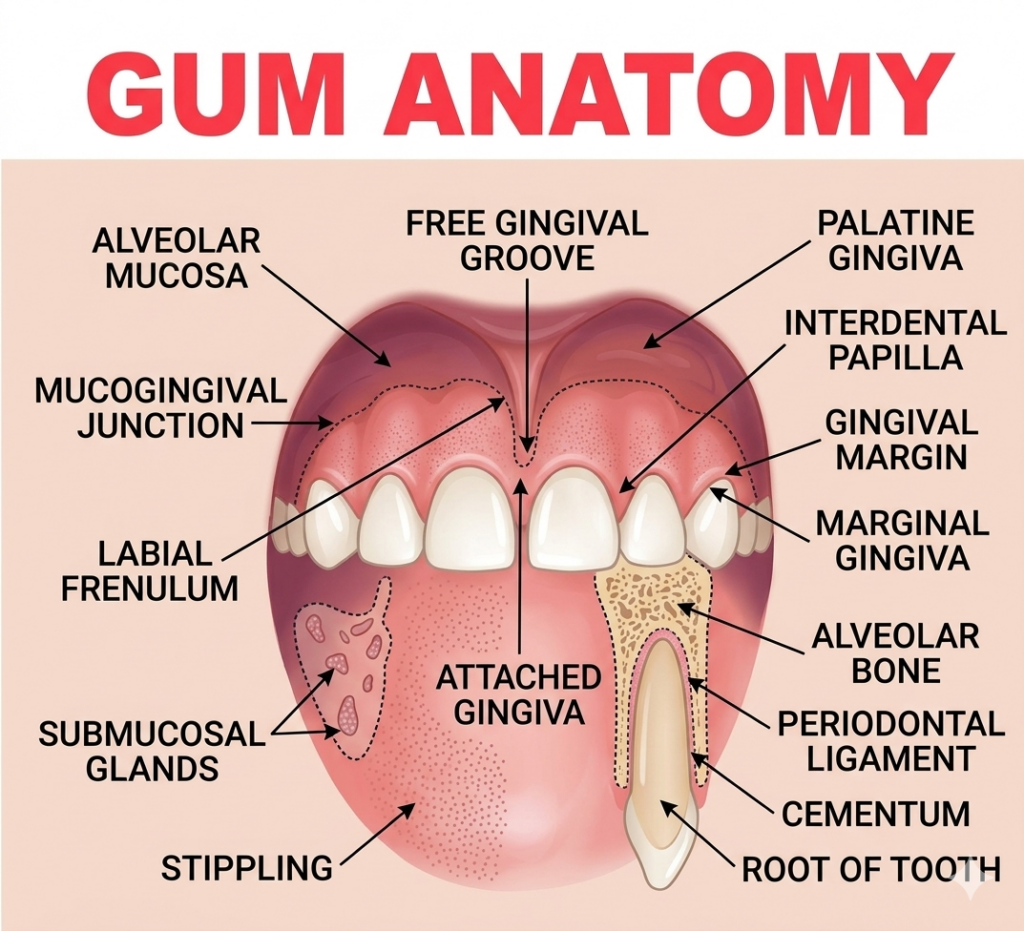
Detect Bone Invasion: Determine if the cancer has begun to erode the jawbone.
Map the Tumor: Create a precise 3D map for surgical planning.
Protect Vital Structures: Ensure nerves and healthy teeth are preserved during treatment
Who Is a Good Candidate for Gum Cancer Treatment?
A good candidate for gum cancer treatment is any patient with a suspicious gum lesion, confirmed gingival cancer diagnosis, abnormal biopsy result, persistent gum ulcer, unexplained bleeding, or gum mass that does not resolve. Patients may also need care if imaging shows possible bone involvement or if their dentist has noticed unusual gum tissue changes.
Patients over 50 are more commonly affected, men are affected more often, and the average age at diagnosis is 63. Gum cancer most often affects people over age 60. Patients with tobacco use, smokeless tobacco or chewing tobacco exposure, alcohol consumption, poor oral hygiene, previous oral cancer, or long-standing precancerous lesions may have a higher risk of gum cancer. Risk also increases with human papillomavirus infection, family history, chronic irritation from poorly fitting dentures, a diet low in fruits and vegetables, and radiation exposure such as UV exposure to the lips, which can raise lip cancer risk and later involve nearby gum tissue. A weakened immune system can make it harder to fight cancer cells. These lifestyle factors, other risk factors, and other factors may place some patients at high risk for developing oral cancer or, in some cases, developing gum cancer.
At Love Your Jaws, we evaluate each patient based on clinical findings, medical history, oral habits, imaging, and biopsy results. Early evaluation allows us to determine whether the condition is benign, inflammatory, precancerous, or malignant.
Patients searching for oral surgery gum lesion evaluation in Miami often come to our practice because they want a clear diagnosis before the condition becomes more advanced.
What Treatment Options Are Available for Gum Cancer?
Treatment depends on tumor location, stage, depth, bone involvement, lymph node status, pathology results, and the patient’s overall health. At Love Your Jaws, we help patients understand the diagnosis and coordinate the appropriate treatment path with head and neck oncology specialists when needed.
Early gum cancer may be treated with surgical removal of the tumor and surrounding tissue margins. In selected cases, alveolectomy for gum cancer may be performed when the tumor affects the tooth-supporting alveolar bone.
Lower gum cancers with limited jaw involvement may require marginal mandibulectomy gingival tumor, while more extensive lower jaw disease may need segmental mandibulectomy lower gum cancer. Upper gum tumors may require partial maxillectomy upper gum cancer, especially when the maxilla or palate is involved.
More advanced cases may require palatal and gingival tumor resection, radiation therapy for gingival cancer, or chemotherapy for squamous cell carcinoma of gums, depending on the final staging and oncology recommendations, with radiation therapy used to target and destroy cancerous cells and to kill cancer cells. Some treatment plans may also include immunotherapy, which helps the immune system fight cancer cells. Dendritic cell therapy may be considered as a newer option in select cases. When lymph nodes are involved or at risk, neck dissection for gum cancer metastasis may be considered.
Reconstruction may be necessary after tumor removal. A fibula free flap gum reconstruction can help rebuild jawbone and oral structures when major bone removal is required. Complex cases involving the upper jaw may benefit from maxillofacial reconstruction of the upper alveolar ridge to restore oral function, appearance, and prosthetic support.
Patients searching for a head and neck oncology gum specialist, alveolar ridge tumor specialist in Miami, oral oncologist for gum tumor in South Florida, or maxillectomy surgery doctor in Miami Beach may begin with biopsy and surgical evaluation at Love Your Jaws before multidisciplinary care is coordinated with head and neck surgeons and neck surgeons, particularly for advanced disease involving head and neck tumors or neck tumors; HPV vaccination also helps reduce the risk of some oropharyngeal cancers.
What Is Recovery Like After Gum Cancer Treatment?
Recovery after gum cancer treatment depends on the stage of the disease, the extent of surgery, whether the jawbone was involved, and if reconstruction or additional therapies such as radiation or chemotherapy are required. Every patient receives a personalized recovery plan designed to promote healing while preserving oral function, appearance, and long-term health.
Immediately after surgery, patients may experience swelling, discomfort, temporary difficulty chewing, speaking, or eating, particularly if bone reconstruction or extensive soft tissue surgery has been performed. During the early stages of recovery, a soft-food diet is often recommended while the surgical site heals. Our team provides detailed postoperative instructions and closely monitors healing to minimize complications and support the best possible outcome.
Patients who undergo larger reconstructive procedures may also benefit from nutritional counseling, speech therapy, prosthetic rehabilitation, and coordinated follow-up with oncology specialists. Throughout every stage of recovery, we focus on restoring comfort, function, and confidence.
What Is the Outlook for Patients with Gum Cancer?
The prognosis for gum cancer depends on several important factors, including the size and location of the tumor, bone involvement, lymph node status, pathology findings, and how early treatment begins. In the U.S., about 34,000 people are diagnosed with oral cancer each year, and over 12,250 deaths occur annually.
Many patients search online for the gum cancer survival rate, but outcomes vary significantly between individuals. Overall, oral cancer survival rates are about 57% after five years, while the 5-year survival rate for gingival malignancies is around 68%. Early-stage tumors that are diagnosed before spreading to nearby structures generally have a more favorable prognosis and often require less extensive treatment than advanced disease.
Some patients are diagnosed with verrucous carcinoma of the gingiva, a less common subtype that typically behaves differently than conventional squamous cell carcinoma and may require a different treatment strategy. Others may present with advanced stage gingival carcinoma in later stages, which often requires a multidisciplinary approach involving surgery, reconstruction, radiation therapy, and ongoing surveillance.
At Love Your Jaws, we emphasize early diagnosis, accurate staging, individualized surgical planning, and long-term follow-up to maximize treatment success while preserving oral function and quality of life.
How Much Does Gum Cancer Treatment Cost in Miami?
The cost of gum cancer treatment varies depending on the complexity of the diagnosis, imaging studies, biopsy procedures, pathology evaluation, hospital services, anesthesia, surgical treatment, reconstruction, and any additional oncology therapies recommended after surgery.
Some patients require only biopsy and localized tumor removal, while others may need jaw surgery, reconstructive procedures, lymph node surgery, radiation therapy, chemotherapy, or multidisciplinary oncology care.
During your consultation, we carefully review your diagnosis and develop a personalized treatment plan. Our team explains every recommended procedure, discusses anticipated costs, reviews insurance considerations when applicable, and answers any questions before treatment begins.
Because every diagnosis is unique, treatment recommendations and associated costs are always individualized.
Which Miami Areas Do We Serve for Gum Cancer Treatment?
Love Your Jaws proudly provides advanced gum cancer evaluation, biopsy, surgical treatment, and oral oncology care for patients throughout Miami and South Florida from one modern oral and maxillofacial surgery center. Although we maintain a single physical location, patients travel from surrounding communities because they value our experience, personalized care, and comprehensive treatment planning.
Gum Cancer Treatment in South Miami
Patients from South Miami trust our team for early diagnosis of suspicious gum lesions, advanced biopsy procedures, oral cancer consultations, and individualized treatment planning.
Gum Cancer Treatment in Coral Gables
Residents of Coral Gables choose Love Your Jaws for expert evaluation of persistent gum abnormalities, coordinated oral pathology services, and comprehensive surgical care.
Gum Cancer Treatment in Brickell
Many patients from Brickell visit our office for second opinions, biopsy procedures, surgical consultations, and treatment planning for complex gingival lesions.
Gum Cancer Treatment in Key Largo
Patients from Key Largo frequently travel to our Miami practice for specialized oral oncology evaluations, advanced diagnostic services, and individualized treatment recommendations.
Gum Cancer Treatment in Pinecrest
Residents of Pinecrest rely on Love Your Jaws for timely evaluation of suspicious gum lesions, personalized oral surgery consultations, and comprehensive cancer treatment planning.
Gum Cancer Treatment in Fisher Island
Patients from Fisher Island appreciate our advanced diagnostic technology, meticulous surgical planning, and compassionate patient-centered approach to oral cancer care.
Gum Cancer Treatment in Coconut Grove
Many Coconut Grove residents choose our practice for expert biopsy procedures, early diagnosis of persistent gingival lesions, and coordinated treatment focused on preserving long-term oral health.
Patients comparing advanced cancer resources such as Sylvester Cancer Center gum oncology or University of Miami gum cancer reconstruction often begin with a comprehensive evaluation at Love Your Jaws to better understand their diagnosis and treatment options.
Why Choose Love Your Jaws for Gum Cancer Treatment in Miami?
Successful gum cancer treatment requires far more than surgical expertise alone. It requires early diagnosis, precise biopsy techniques, comprehensive treatment planning, advanced reconstructive knowledge, and close coordination with oncology specialists whenever multidisciplinary care is necessary.
At Love Your Jaws, we provide all of these elements in one patient-centered experience. Led by Dr. Kroum Dimitrov, recognized by many patients as one of the leading oral surgeons in Miami, our practice delivers advanced oral pathology evaluation, meticulous surgical treatment, and individualized care for patients with suspected or confirmed gum cancer.
From the initial consultation, we perform a comprehensive examination using modern diagnostic technology to accurately identify suspicious lesions and determine the most appropriate treatment strategy. Our evidence-based approach is informed by advances in dental and craniofacial research and craniofacial research. Every surgical plan is customized to completely remove the tumor while preserving healthy tissue, oral function, speech, chewing ability, facial appearance, and long-term quality of life whenever possible.
Our team collaborates closely with head and neck oncology specialists, reconstructive surgeons, radiation oncologists, medical oncologists, prosthodontists, and rehabilitation professionals whenever complex treatment is required. This multidisciplinary approach allows us to deliver comprehensive care tailored to each patient’s specific diagnosis and clinical needs, much like treatment planning for other oral cancers, other cancers in the head and neck region, and broader neck cancers.
Whether you require a biopsy, localized tumor removal, jaw reconstruction, or coordinated oncology treatment, Love Your Jaws is committed to providing exceptional oral cavity cancer care with precision, compassion, and the latest evidence-based surgical techniques.
If you have noticed a persistent sore, ulcer, lump, unexplained bleeding, loose tooth, red or white patch, a persistent lesion in the oral cavity, or any abnormal tissue affecting your gums that has not healed within two weeks, we encourage you to schedule an evaluation as soon as possible. Early diagnosis offers the greatest opportunity for successful treatment, preservation of oral function, and long-term health. Love Your Jaws proudly serves patients throughout Miami and South Florida with advanced gum cancer diagnosis, treatment, ongoing follow-up care, and consultation for oral cavity cancer concerns.
FAQ
Yes. Gum cancer is often mistaken for gingivitis, periodontitis, or a routine dental infection because the symptoms can appear very similar in the early stages. Persistent swelling, bleeding, loose teeth, or a sore that does not heal should never be ignored. If symptoms continue despite standard dental treatment, an oral and maxillofacial surgeon should perform a comprehensive examination and, if necessary, a biopsy to rule out cancer. Early diagnosis greatly improves treatment options and long-term outcomes, and persistent symptoms should be evaluated to rule out oral cavity cancer if they continue after treatment for gum disease.
You should schedule an evaluation if a sore, lump, ulcer, red or white patch, or unexplained swelling on the gums has not healed for more than two weeks. Waiting several months may allow the disease to progress into deeper tissues or nearby lymph nodes. At Love Your Jaws, we encourage prompt evaluation of any suspicious oral lesion so treatment can begin as early as possible if cancer is confirmed.
Not every patient requires tooth removal. The need for extraction depends on the size and location of the tumor and whether nearby teeth or jawbone have been affected. Our priority is always to remove the cancer completely while preserving as many healthy teeth and supporting structures as possible. When teeth must be removed, we develop a personalized reconstruction and tooth replacement plan to restore function and appearance.
Yes. Untreated gum cancer can invade the underlying jawbone and spread to lymph nodes in the neck, and spread to neck lymph nodes is part of staging seen in head and neck cancers. This is why early diagnosis is so important. Advanced imaging and careful clinical evaluation help determine whether the cancer has spread, allowing us to recommend the most appropriate surgical and oncologic treatment plan.
Some patients require reconstructive surgery after tumor removal, while others do not. Reconstruction depends on the amount of tissue or bone removed during cancer surgery. Small tumors may require only limited soft tissue repair, whereas larger defects may be reconstructed using bone grafts or microvascular free-flap techniques to restore facial appearance, speech, and chewing function.
Many patients can become candidates for dental implants after completing gum cancer treatment and healing appropriately. Eligibility depends on bone quality, radiation history, overall health, and the extent of reconstruction performed. During follow-up care, we evaluate each patient individually and develop a long-term rehabilitation plan to restore a functional, confident smile whenever possible.
Regular follow-up appointments are essential because oral cancer has the potential to recur. Most patients are seen every few months during the first years after treatment, with visit frequency gradually decreasing over time. These examinations allow us to monitor healing, identify any recurrence early, and manage long-term oral health.
Modern anesthesia techniques, advanced surgical methods, and comprehensive pain management help keep patients comfortable throughout treatment. Some swelling, soreness, and temporary discomfort are expected during recovery, but these symptoms are usually well controlled with prescribed medications and postoperative care instructions. Our team closely monitors recovery to help patients heal safely and comfortably.
Many medically necessary procedures related to gum cancer diagnosis and treatment may be covered by medical insurance, although benefits vary depending on the individual plan. Coverage may include consultations, biopsies, imaging, surgery, reconstruction, and other medically indicated treatments. Our administrative team helps patients understand their insurance benefits and reviews available financial options before treatment begins.
Love Your Jaws combines advanced oral pathology expertise, precise surgical care, personalized treatment planning, and compassionate patient support in one specialized practice. Led by Dr. Kroum Dimitrov, our team focuses on early diagnosis, complete tumor removal, functional reconstruction, and long-term follow-up. We work closely with multidisciplinary oncology specialists and the appropriate medical doctor whenever additional treatment is required, helping patients throughout Miami receive comprehensive care from diagnosis through recovery.
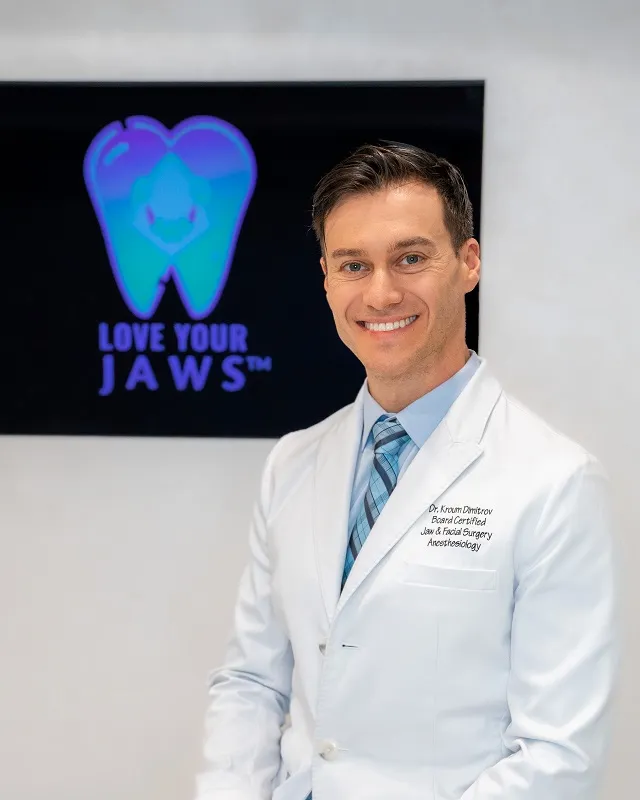
Meet Dr. Kroum Dimitrov.
Professor's Cup Award recipient - recognized for academic and surgical excellence.
Dr. Dimitrov is one of the few dual-certified specialists in Miami-Dade - holding board certifications in both Oral & Maxillofacial Surgery (ABOMS) and Anesthesiology. This combination means a single trusted expert oversees every aspect of your care, from your first consultation through your recovery follow-up.
When you're at Love Your Jaws, you're treated by the doctor - not handed off to an associate or a rotating staff member. Every procedure - from a single wisdom tooth to a full-arch reconstruction - is personally performed by Dr. Dimitrov in our Miami surgery center.
- Board Certified by American Board of Oral and Maxillofacial Surgery (ABOMS)
Board Certified by National Dental Board of Anesthesiology (NDBA)
- Hospital privileges: Baptist Hospital · Doctors Hospital
- Trained: University of Miami / Jackson Memorial Hospital, Chief Resident
- AAOMS Member · ADSA Member