




5 out of 5 stars based on 700+ reviews
Sleep Apnea Surgery in Miami
Sleep apnea can affect far more than sleep. When breathing repeatedly stops or becomes restricted during the night, the body may struggle to get enough oxygen, leading to fatigue, morning headaches, poor concentration, loud snoring, cardiovascular strain, and reduced quality of life. At Love Your Jaws, we provide advanced surgical evaluation and treatment options for patients with obstructive sleep apnea who may benefit from long-term airway-focused solutions.
Led by Dr. Kroum Dimitrov, one of the leading oral surgeons in Miami, our team focuses on identifying the anatomical causes of airway obstruction and creating personalized treatment plans designed to improve breathing, sleep quality, and overall wellness. For many patients who cannot tolerate CPAP or do not achieve adequate relief with conservative therapy, surgical treatment may offer a more stable and lasting path forward.
Patients searching for the best sleep apnea surgeon are often looking for more than symptom management. They want a precise diagnosis, advanced technology, and a treatment plan built around their unique airway anatomy. At Love Your Jaws, our goal is to help patients breathe better, sleep better, and live with greater energy and confidence.
What Is Sleep Apnea (OSA)?
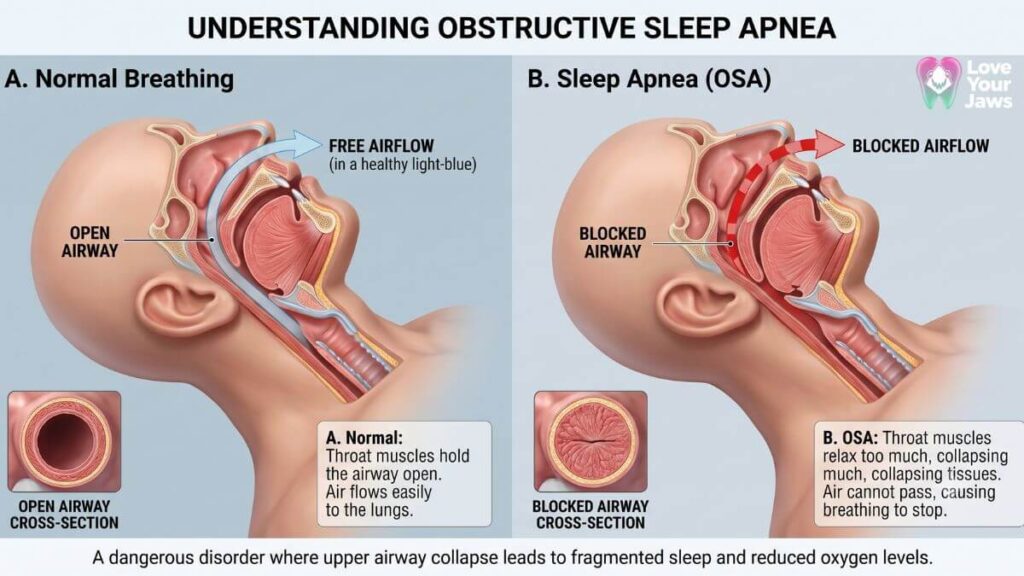
Sleep apnea is a sleep-related breathing disorder in which airflow repeatedly becomes blocked or reduced during sleep. The most common form is obstructive sleep apnea, which occurs when the airway collapses or becomes narrowed due to anatomical factors involving the jaw, tongue, soft palate, throat, or facial structure.
Obstructive sleep apnea surgery is designed to address specific anatomical areas that contribute to airway blockage. Unlike devices that only manage symptoms during use, surgical treatment may help create a more open airway and reduce the severity of obstruction in carefully selected patients.
For patients whose jaw position contributes to airway narrowing, jaw surgery for sleep apnea can be one of the most powerful surgical approaches. By repositioning the jaws forward, the airway can be enlarged and breathing during sleep may improve significantly.
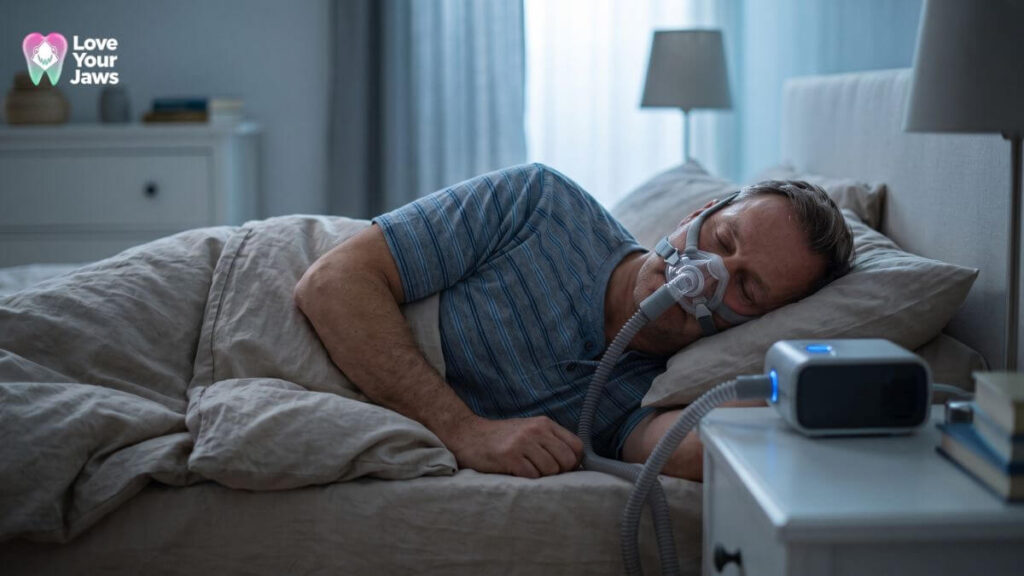
Patients seeking sleep apnea surgery in Miami choose Love Your Jaws because of our experience in oral and maxillofacial surgical care, airway evaluation, and advanced treatment planning.
What Are the Symptoms and Causes of Sleep Apnea?
Sleep apnea symptoms can develop gradually and may be overlooked for years. Common signs include loud snoring, choking or gasping during sleep, morning headaches, dry mouth, daytime fatigue, poor focus, irritability, and waking up feeling unrefreshed.
The causes are often anatomical. A small or recessed jaw, narrow upper jaw, enlarged tongue base, soft palate collapse, nasal obstruction, enlarged tonsils, or excess throat tissue can all contribute to airway restriction. In some cases, weight, age, genetics, and overall health also play a role.
Some patients explore sleep apnea surgery when nasal, throat, or soft palate anatomy contributes to obstruction. Others may be better suited for oral and maxillofacial procedures when the jaw structure or tongue position plays a major role.
Procedures such as septoplasty for sleep apnea, soft palate surgery for sleep apnea, tonsillectomy for sleep apnea, or upper surgery sleep apnea may be appropriate in selected cases, depending on the exact site of airway collapse. At Love Your Jaws, we focus on identifying whether a jaw-based or oral surgical approach can provide meaningful improvement.
Who Is a Good Candidate for Surgical Sleep Apnea Treatment?
A good candidate for surgical sleep apnea treatment is someone diagnosed with obstructive sleep apnea who has not achieved adequate results with non surgical treatments or cannot comfortably tolerate CPAP therapy. Surgery may also be considered when diagnostic imaging shows a clear anatomical cause of airway obstruction.
Many patients seek CPAP alternative surgery because they struggle with mask discomfort, air leakage, dry mouth, claustrophobia, or inconsistent CPAP use. While CPAP remains an effective treatment for many people, it only works when used consistently. Surgery may offer a more anatomy-based approach for selected patients.
Candidates may include patients with jaw deficiency, narrow upper jaw, tongue-base obstruction, airway collapse, or skeletal facial structure that contributes to breathing problems during sleep. Patients with obesity-related sleep apnea may also be advised to consider weight management, and in some cases bariatric surgery for sleep apnea may be part of a broader medical plan outside oral surgery.
During consultation, Dr. Kroum Dimitrov evaluates your airway, jaw structure, facial anatomy, sleep study findings, and medical history, including a physical exam, to identify the underlying cause and determine whether to recommend surgery.
What Surgical Treatments Are Available for Sleep Apnea?
There is no single set of surgical procedures that works for every patient with sleep apnea surgery. The right treatment depends on where the collapse occurs in the upper airway, how severe the sleep apnea is, what anatomical factors contribute to the condition, and which surgical techniques are most appropriate.
Maxillomandibular Advancement
Maxillomandibular advancement sleep apnea treatment repositions the upper and lower jaws forward to enlarge the airway behind the tongue and soft palate. By moving both jaws forward, it creates more room behind the tongue and soft palate, which is how sleep apnea surgery works in appropriate jaw-based cases. Also known as MMA surgery for sleep apnea, this procedure is often considered one of the most effective surgical options for selected patients with moderate to severe obstructive sleep apnea.
Patients seeking maxillomandibular advancement in Miami can trust Love Your Jaws for advanced jaw-based airway surgery planning and precise execution.
Genioglossus Advancement
Genioglossus advancement is designed to bring the tongue forward by moving the attachment of the tongue muscle forward, helping reduce tongue-base collapse during sleep. In selected cases, this may be considered alongside other procedures such as tongue reduction surgery, sleep apnea or airway-focused jaw surgery, depending on the patient’s anatomy.
Maxillary Expansion
Maxillary expansion may help patients with a narrow upper jaw and restricted nasal or oral airway volume. Expanding the upper jaw can improve space for breathing and may support better airflow in selected cases.
Nerve Stimulation
Hypoglossal nerve stimulation surgery uses an implanted device to stimulate the nerve that controls tongue movement, helping keep the airway open during sleep. Many patients know this as inspired sleep apnea surgery or sleep apnea implant surgery. Some patients also research inspired device surgery costs when comparing advanced treatment options.
Patients searching for a miami sleep apnea implant doctor often need a detailed evaluation to determine whether implant-based therapy is appropriate for their condition.
How Do I Know Which Sleep Apnea Surgery Is Right for Me?
The right sleep apnea surgery depends on a precise diagnosis, prior sleep apnea treatments, and the underlying cause of the blockage. Before recommending any procedure, we review sleep study results, airway anatomy, jaw position, facial structure, medical history, and previous treatments.
Some patients benefit most from maxillomandibular advancement, while others may need implant-based nerve stimulation, expansion, or referral for ENT-managed airway procedures. Some patients may still use a cpap machine or an oral appliance before or after surgery, depending on how well other treatments and current treatments work. Treatments such as hyoid suspension surgery, palate advancement surgery, laser sleep apnea surgery, or radiofrequency ablation sleep apnea may be considered in specific clinical situations, depending on the site of obstruction, and nasal endoscopy and similar evaluation tools may be used to assess the upper airway before choosing among other surgical treatments.
At Love Your Jaws, we focus on helping patients understand which option matches their anatomy and goals. We do not believe in one-size-fits-all treatment. Every recommendation is based on evidence, diagnostic findings, and long-term health priorities.
What Are the Benefits of Surgical Treatment for Sleep Apnea?
How surgical treatment can improve nighttime breathing, sleep quality, and overall health for carefully selected patients.
| Topic | What Patients Should Know |
|---|---|
| Who Is a Candidate | For carefully selected patients, surgical treatment can provide significant improvements in both sleep quality and overall health by correcting the anatomical causes of airway obstruction. |
| How Surgery Helps | Surgery aims to improve nighttime breathing so patients can sleep with better airflow and wake up breathing easier, rather than simply managing symptoms while a device is being worn. |
| Reported Benefits | Many patients report reduced snoring, fewer breathing interruptions, improved daytime energy, better concentration, enhanced sleep quality, and an overall improvement in quality of life. |
| Corrective Jaw Surgery | For individuals whose jaw anatomy contributes to airway collapse, corrective jaw surgery may also improve facial balance and bite function while enlarging the airway. |
| Sleep Apnea Surgery Success Rate | Success depends on the specific procedure performed, the severity of the condition, patient anatomy, body weight, and adherence to post-operative recommendations. Recurrence of apnea can occur in some patients over time. |
| Our Approach | Following a comprehensive evaluation, our team recommends only procedures that are appropriate for each patient’s individual airway characteristics. |
| Sleep Apnea Surgery Before and After | Many individuals researching sleep apnea surgery before and after results are encouraged by the improvements in breathing, sleep quality, and daily functioning that can be achieved with carefully planned treatment. |
What Is Recovery Like After Sleep Apnea Surgery?
Recovery varies depending on the type of procedure performed, and healing may last from one to six weeks depending on the procedure. Less invasive treatments generally involve shorter healing times, while comprehensive jaw surgery requires a longer recovery period and closer follow-up. Because general anesthesia risks are higher for sleep apnea patients, careful perioperative monitoring is especially important.
Patients commonly ask about sleep apnea surgery recovery, and our team provides detailed instructions to support every stage of healing. Recovery plans include guidance on medications, nutrition, oral hygiene, activity restrictions, follow-up appointments, and gradual return to normal daily activities.
Some temporary discomfort is expected. Mild to moderate sleep apnea surgery pain, swelling, sore throat, or temporary changes in speech and swallowing may occur depending on the surgical technique used. Mild pain and bleeding are normal early in recovery, and some patients are advised to eat soft foods as healing progresses. These symptoms usually improve steadily as healing progresses.

Patients are also interested in sleep apnea surgery downtime before scheduling treatment. The amount of time away from work or regular activities depends on the complexity of the procedure and each patient’s overall health. During your consultation, we provide realistic expectations based on your personalized treatment plan. Recovery instructions may also include keeping your head elevated to reduce swelling and avoiding heavy lifting for at least two weeks.
As with any surgery, patients should also understand potential sleep apnea surgery side effects and sleep apnea surgery complications. Risks can include infection, bleeding, difficulties with swallowing, and possible impaired function of the throat muscles. Although serious complications are uncommon when surgery is performed by an experienced oral and maxillofacial surgeon, careful diagnosis, proper patient selection, and comprehensive post-operative care remain essential for achieving safe, successful outcomes.
How Much Does Sleep Apnea Surgery Cost in Miami?
The cost of sleep apnea surgery varies depending on the procedure recommended, treatment complexity, hospital or surgical facility fees, anesthesia, and whether multiple procedures are performed during the same operation.
The total sleep apnea surgery cost can only be determined after a complete consultation and airway evaluation. Patients researching Miami sleep apnea surgery frequently find a wide range of estimates online, but individualized treatment planning is necessary before accurate pricing can be provided.
Some patients also ask if sleep apnea surgery is covered by insurance. Coverage depends on the specific procedure, insurance policy, documented severity of obstructive sleep apnea, and whether treatment is considered medically necessary. Our team works closely with patients to explain insurance benefits, financing options, and expected treatment costs before surgery begins.
Which Miami Areas Do We Serve for Sleep Apnea Treatment?
Love Your Jaws proudly provides advanced sleep apnea surgery evaluations and treatment for patients throughout Miami and South Florida. Although we operate from one state-of-the-art surgical center, patients from surrounding communities regularly choose our practice because of our expertise in airway-focused oral and maxillofacial surgery.
Sleep Apnea Surgery in South Miami
Patients from South Miami trust our experienced team for personalized evaluations and advanced surgical solutions designed to improve nighttime breathing, airway function, and long-term quality of life.
Sleep Apnea Surgery in Coral Gables
Residents of Coral Gables choose Love Your Jaws because of our advanced diagnostic approach, individualized treatment planning, and commitment to achieving lasting improvements in obstructive sleep apnea.
Sleep Apnea Surgery in Brickell
Many patients from Brickell visit our surgical center seeking comprehensive evaluation for airway obstruction, jaw-related breathing disorders, and advanced sleep apnea treatment.
Sleep Apnea Surgery in Key Largo
Patients from Key Largo travel to Love Your Jaws for modern surgical care supported by advanced imaging, digital planning, and evidence-based treatment recommendations.
Sleep Apnea Surgery in Pinecrest
Residents of Pinecrest benefit from our patient-centered approach, comprehensive airway evaluations, and customized surgical treatment plans based on their unique anatomy.
Sleep Apnea Surgery in Fisher Island
Patients from Fisher Island appreciate our reputation for precision, innovation, and compassionate care throughout every stage of sleep apnea treatment.
Sleep Apnea Surgery in Coconut Grove
Many Coconut Grove residents choose Love Your Jaws because of our expertise in jaw-based airway surgery, advanced technology, and personalized care focused on long-term results.
Patients researching jaw surgery for sleep apnea in Miami frequently choose our practice because we specialize in identifying when skeletal jaw correction can provide meaningful airway improvement. Individuals searching online for inspiration for sleep apnea surgery, sleep apnea surgery, or reading sleep apnea surgery reviews in Miami also benefit from our comprehensive diagnostic approach and collaborative treatment planning.
Why Choose Love Your Jaws for Treatment in Miami?
Treating obstructive sleep apnea requires far more than selecting a surgical procedure. Successful treatment begins with identifying the exact anatomical cause of airway obstruction and developing a personalized plan based on each patient’s unique facial structure, jaw position, airway anatomy, and long-term health goals.
At Love Your Jaws, every patient undergoes a comprehensive evaluation supported by advanced three-dimensional imaging, detailed airway analysis, and individualized surgical planning using leading edge planning and surgical techniques. Our goal is to recommend only those procedures that offer the greatest potential benefit while prioritizing safety, function, and long-term stability.
Dr. Kroum Dimitrov is recognized by many patients as one of the leading oral surgeons in South Florida, providing advanced jaw-based surgical solutions for patients with obstructive sleep apnea and complex facial anatomy. His experience in oral and maxillofacial surgery allows him to evaluate airway disorders from both a functional and structural perspective, and robotic dental implant technology is becoming more prevalent in oral surgery.
Patients searching for the best sleep apnea surgeon in Miami appreciate our commitment to evidence-based care, surgical precision, and individualized treatment planning. Whether your care involves comprehensive jaw advancement, referral for implant-based airway therapy, or collaborative management with other medical specialists, our focus always remains on achieving meaningful improvements in breathing, sleep quality, and overall health.
At Love Your Jaws, we proudly help patients throughout Miami and South Florida breathe easier, sleep more comfortably, and enjoy a healthier quality of life through advanced surgical treatment for obstructive sleep apnea. From your initial consultation through your complete recovery, our experienced team is committed to delivering compassionate care, innovative technology, and outstanding long-term results.
FAQ
For some patients, yes—although some may still need a CPAP machine after surgery, even if their dependence is reduced. If obstructive sleep apnea is primarily caused by anatomical airway obstruction, surgery may significantly reduce or even eliminate the need for CPAP therapy. However, outcomes vary depending on the severity of the condition, individual anatomy, and the specific procedure performed. During your consultation, we evaluate whether surgery is likely to reduce your dependence on CPAP.
Many sleep apnea surgeries provide long-lasting or permanent structural improvements because they correct the anatomical causes of airway obstruction. While aging, weight changes, and other health factors may influence long-term results, properly selected patients often experience durable improvements in breathing and sleep quality after surgery.
Yes. Because snoring is often caused by vibration of partially obstructed airway tissues, surgical treatment that enlarges or stabilizes the airway frequently reduces snoring as well. While the primary goal is to treat obstructive sleep apnea, many patients also notice quieter, more restful sleep for themselves and their partners.
Before recommending surgery, we perform a comprehensive evaluation that may include a sleep study, detailed medical history, physical exam, advanced 3D imaging, airway assessment, facial skeletal analysis, and nasal endoscopy. These diagnostic tools allow us to identify the exact location of airway obstruction and develop the most appropriate treatment plan.
For patients whose airway obstruction is caused by jaw anatomy, maxillomandibular advancement can provide one of the most effective long-term surgical solutions. By enlarging the airway through skeletal repositioning and creating more room behind the tongue and soft palate, jaw surgery may significantly reduce airway collapse during sleep while also improving facial balance and bite function.
Sleep apnea surgery is not intended as a weight-loss procedure. However, many patients experience increased energy, better sleep quality, improved daytime activity, and enhanced overall wellness after successful treatment, and those with obesity-related obstructive sleep apnea may also discuss weight loss surgery based on body mass index and overall medical evaluation. Weight management may further improve long-term sleep apnea outcomes in appropriate patients.
Yes. Depending on your anatomy, sleep apnea surgery may be combined with jaw surgery, genioglossus advancement, maxillary expansion, nasal surgery, uvulopalatopharyngoplasty to remove excess tissue from the throat, or other airway procedures. Tonsillectomy and adenoidectomy can also remove enlarged tonsils or adenoids to widen the airway. Radiofrequency ablation may be used to shrink excessive tissue in the throat. Combining treatments during one surgical plan may improve overall airway function while reducing the need for multiple operations.
Many patients begin noticing gradual improvements in breathing and sleep quality as swelling decreases during the healing process. Full benefits often continue to develop over several weeks or months, depending on the type of surgery performed and the body’s natural healing response.
When performed by an experienced oral and maxillofacial surgeon following comprehensive evaluation and careful treatment planning, sleep apnea surgery, like all surgical procedures, is considered a safe and well-established treatment for appropriate candidates, though general anesthesia risks can be higher in sleep apnea patients. Patient safety, individualized planning, and thorough post-operative care are essential components of successful outcomes.
Love Your Jaws combines advanced airway evaluation, 3D digital imaging, and personalized surgical planning to provide highly individualized sleep apnea treatment. Led by Dr. Kroum Dimitrov, our experienced oral and maxillofacial surgery team focuses on correcting the anatomical causes of airway obstruction, helping patients breathe more comfortably, sleep more soundly, and enjoy lasting improvements in their quality of life. From diagnosis through recovery, we are committed to delivering exceptional care and outstanding long-term results for patients throughout Miami and South Florida.
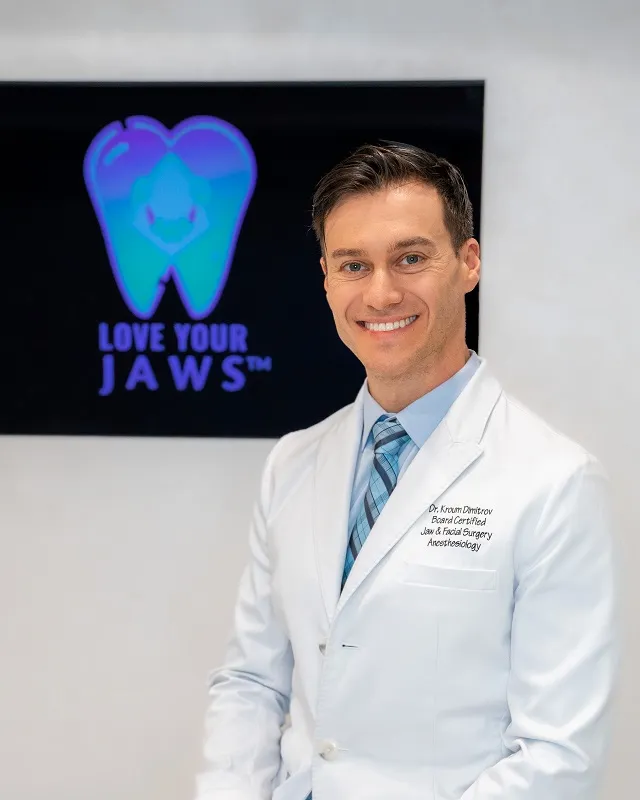
Meet Dr. Kroum Dimitrov.
Professor's Cup Award recipient - recognized for academic and surgical excellence.
Dr. Dimitrov is one of the few dual-certified specialists in Miami-Dade - holding board certifications in both Oral & Maxillofacial Surgery (ABOMS) and Anesthesiology. This combination means a single trusted expert oversees every aspect of your care, from your first consultation through your recovery follow-up.
When you're at Love Your Jaws, you're treated by the doctor - not handed off to an associate or a rotating staff member. Every procedure - from a single wisdom tooth to a full-arch reconstruction - is personally performed by Dr. Dimitrov in our Miami surgery center.
- Board Certified by American Board of Oral and Maxillofacial Surgery (ABOMS)
Board Certified by National Dental Board of Anesthesiology (NDBA)
- Hospital privileges: Baptist Hospital · Doctors Hospital
- Trained: University of Miami / Jackson Memorial Hospital, Chief Resident
- AAOMS Member · ADSA Member